Volvo Injector Cups: Function, Replacement, and Maintenance Guide | Ayb Mechatronics
Volvo Injector Cups: Function, Replacement, and Maintenance Guide | Ayb Mechatronics
Proper fuel injection performance depends on more than just injectors and fuel pumps. One of the most important yet often overlooked components in Volvo diesel engines is the Volvo injector cups system. These small but essential components help maintain injector positioning, ensure proper sealing, and protect the engine from contamination that can lead to costly repairs.
When Volvo injector cups become worn, damaged, or improperly installed, they can contribute to fuel leaks, coolant contamination, hard starting, poor performance, and recurring diagnostic issues. Understanding how injector cups work and when they require replacement is critical for maintaining the reliability of Volvo diesel engines.
At Ayb Mechatronics, we regularly diagnose injector-related problems that originate not from the injector itself but from worn injector cups. This guide explains everything you need to know about Volvo injector cups, including their function, failure symptoms, replacement procedures, maintenance strategies, and troubleshooting techniques.
What Are Volvo Injector Cups?
Volvo injector cups are specialized sleeves installed inside the cylinder head that provide a secure mounting and sealing surface for fuel injectors.
The Primary Function of Injector Cups
Injector cups serve several important purposes:
- Support injector positioning
- Create a sealing barrier
- Separate fuel and coolant passages
- Protect cylinder head components
- Maintain fuel system integrity
Without properly functioning injector cups, injector performance and engine reliability can be compromised.
Why Injector Cups Are Necessary
Modern diesel engines operate under extremely high fuel pressures and temperatures.
Why are injector cups necessary?
Because they help isolate critical systems within the cylinder head while providing a stable interface between the injector and engine.
Where Injector Cups Are Located
Injector cups are installed directly in the cylinder head and surround the injector body.
Their location places them in a critical position where proper sealing is essential.
How Volvo Injector Cups Support Engine Performance
Injector cups contribute to more than simple injector mounting.
Maintaining Fuel System Integrity
Properly installed Volvo injector cups help prevent fuel leakage and contamination.
This supports consistent fuel delivery and efficient combustion.
Supporting Accurate Injector Alignment
Correct injector positioning allows fuel to enter the combustion chamber as designed.
Misalignment may negatively affect:
- Fuel atomization
- Combustion quality
- Fuel economy
- Emissions performance
Protecting Critical Engine Components
Injector cups help protect cylinder head passages from contamination and excessive wear.
This contributes to long-term engine durability.
Common Causes of Volvo Injector Cup Failure
Although injector cups are durable components, they are not immune to wear and damage.
Heat Cycling
Continuous exposure to extreme temperature changes can weaken sealing surfaces over time.
Corrosion
Coolant contamination and environmental factors may contribute to corrosion within the injector cup assembly.
Improper Installation
Incorrect installation procedures may damage the cup or compromise sealing effectiveness.
High Mileage Wear
Over extended service intervals, normal wear can affect injector cup performance.
This is especially common in heavily utilized commercial vehicles.
Signs of Failing Volvo Injector Cups
Recognizing early warning signs can help prevent major engine damage.
Coolant Contamination
One of the most common symptoms of injector cup failure is fuel entering the cooling system.
Drivers or technicians may notice:
- Coolant discoloration
- Fuel odor in coolant
- Unexplained coolant issues
Fuel Contamination
Coolant entering the fuel system may also occur if injector cup sealing fails.
White Exhaust Smoke
Why does injector cup failure sometimes cause white smoke?
Contamination and combustion irregularities may affect exhaust quality and produce visible smoke.
Hard Starting
Difficult starting can occur when injector cup problems interfere with proper fuel delivery.
Reduced Engine Performance
Operators may notice:
- Rough idle
- Lower fuel efficiency
- Reduced power
- Inconsistent engine operation
Diagnosing Volvo Injector Cup Problems
Proper diagnosis is essential before replacing injectors or other fuel system components.
Visual Inspection
Technicians should inspect:
- Injector seating areas
- Fuel contamination
- Coolant contamination
- Visible signs of leakage
Fuel System Testing
Testing fuel pressure and injector performance can help identify injector cup-related issues.
Cooling System Inspection
Cooling system abnormalities often provide valuable clues when diagnosing injector cup failures.
Reviewing Fault Codes
A Volvo injector fault code may appear when injector cup problems affect fuel delivery or combustion quality.
However, fault codes alone do not confirm injector cup failure.
Volvo Injector Fault Codes and Injector Cups
Many operators mistakenly assume injector fault codes always indicate injector problems.
How Injector Cup Issues Affect Diagnostics
Damaged injector cups may contribute to:
- Fuel delivery inconsistencies
- Combustion irregularities
- Cylinder imbalance
- Performance issues
These conditions can trigger a Volvo injector fault code.
Why Accurate Diagnosis Matters
Replacing injectors without addressing damaged injector cups may fail to resolve the root cause.
Professional diagnostics improve repair accuracy and reduce unnecessary parts replacement.
Recommended Diagnostic Approach
- Inspect injector cups
- Evaluate injectors
- Test fuel system performance
- Review cooling system condition
- Verify engine operating data
This systematic process helps identify the true source of the issue.
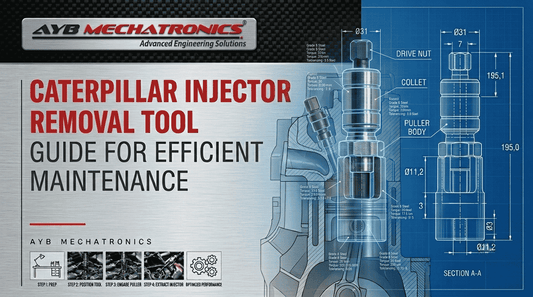
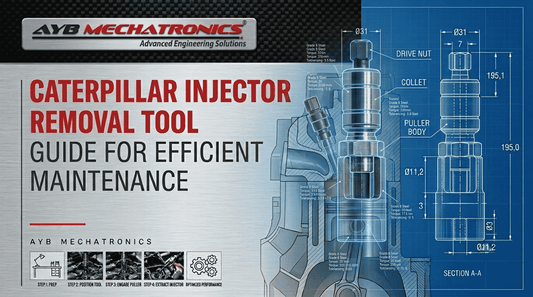
Volvo Injector Cup Removal Tool: Why It Matters
Injector cup replacement requires specialized equipment.
What Is a Volvo Injector Cup Removal Tool?
A Volvo injector cup removal tool is a dedicated service tool designed to safely extract injector cups from the cylinder head.
Why Specialized Tools Are Necessary
Improvised removal methods may cause:
- Cylinder head damage
- Distorted cup bores
- Increased repair costs
- Installation difficulties
Using the proper tool improves repair quality and consistency.
Benefits of Professional Removal Tools
Key advantages include:
- Controlled extraction force
- Reduced component damage
- Improved service efficiency
- Better installation outcomes
Volvo Injector Cup Replacement Process
Replacing injector cups requires precision and attention to detail.
Step 1: Remove the Injector
The injector must be removed before accessing the injector cup.
Inspect the injector for wear and contamination during removal.
Step 2: Extract the Injector Cup
Install the Volvo injector cup removal tool according to manufacturer procedures.
Carefully remove the injector cup without damaging the cylinder head.
Step 3: Inspect the Cylinder Head
After removal, inspect:
- Cup bore condition
- Corrosion
- Surface damage
- Debris accumulation
Step 4: Install the New Injector Cup
The replacement cup must be installed using approved procedures and tools.
Step 5: Verify System Integrity
After reassembly:
- Check for leaks
- Verify engine performance
- Review diagnostic data
This helps confirm a successful repair.
Volvo Injector Adaptation and Injector Cup Service
Injector cup maintenance often occurs during injector service procedures.
Understanding Volvo Injector Adaptation
Volvo injector adaptation is the calibration process that allows the ECM to optimize injector operation.
Why Adaptation Matters After Injector Service
If injectors are replaced during injector cup repairs, adaptation may be required.
Proper calibration supports:
- Fuel efficiency
- Engine performance
- Emissions compliance
- Reliable operation
Installation and Calibration Work Together
Adaptation cannot compensate for poor mechanical installation.
Correct injector cup service must always come first.
Volvo Injector Bolt Inspection During Injector Cup Service
Injector cup replacement creates an opportunity to inspect related components.
The Importance of the Volvo Injector Bolt
The Volvo injector bolt secures the injector assembly within the cylinder head.
What Should Be Inspected?
Technicians should evaluate:
- Thread condition
- Corrosion
- Torque capability
- Physical damage
Why Bolt Condition Matters
A damaged injector bolt may compromise injector retention and sealing effectiveness.
Volvo Injector Cups in D12 and D13 Engines
Injector cup service requirements vary between engine platforms.
D12 Volvo Injector Systems
The D12 Volvo injector platform depends on properly functioning injector cups for reliable fuel delivery and cooling system protection.
D13 Volvo Injector Systems
The D13 Volvo injector platform incorporates advanced fuel management technologies that require precise injector positioning and sealing.
Comparing D12 and D13 Applications
| Feature | D12 Volvo Injector | D13 Volvo Injector |
|---|---|---|
| Fuel System Complexity | Moderate | Advanced |
| Electronic Integration | Standard | Extensive |
| Injector Cup Importance | High | Very High |
| Diagnostic Capability | Good | Advanced |
Understanding platform differences helps improve maintenance outcomes.
Common Mistakes During Injector Cup Service
Avoiding these errors helps reduce repair costs and improve reliability.
Using Improvised Removal Methods
Improper tools increase the risk of cylinder head damage.
Ignoring Cooling System Inspection
Cooling system contamination is often a key indicator of injector cup failure.
Replacing Injectors Without Inspecting Cups
Many technicians focus solely on injectors and overlook the condition of injector cups.
Skipping Final Verification
Performance testing should always follow injector cup replacement.
Volvo Injector Cups Maintenance Checklist
Use this checklist to support reliable fuel system operation.
Maintenance Checklist
- Inspect injector cups regularly
- Monitor coolant condition
- Check for fuel contamination
- Verify injector seating
- Inspect injector bolts
- Use approved removal tools
- Replace damaged components
- Verify injector adaptation when necessary
- Perform leak testing
- Confirm engine performance
A proactive maintenance strategy helps prevent expensive repairs.
Volvo AdBlue Injector Replacement vs Injector Cup Service
These repairs involve different systems.
Understanding the Difference
Injector cups are part of the fuel injection system.
AdBlue injectors belong to the emissions control system.
Volvo AdBlue Injector Replacement
A Volvo AdBlue injector replacement typically addresses:
- DEF dosing issues
- SCR system faults
- Emissions warnings
- Engine derate conditions
These repairs are unrelated to injector cup maintenance.
The Ayb Mechatronics Approach to Injector Cup Reliability
What separates a successful injector repair from a recurring fuel system problem?
The answer is comprehensive diagnostics and attention to every component.
Thorough System Evaluation
At Ayb Mechatronics, injector cup inspections are integrated into broader fuel system diagnostics to identify underlying issues accurately.
Precision Service Procedures
Using professional tools and proven methods helps minimize risk and maximize repair quality.
Supporting Long-Term Engine Performance
The Ayb Mechatronics approach focuses on:
- Accurate diagnostics
- Reliable sealing performance
- Improved fuel efficiency
- Reduced downtime
- Long-term engine durability
This methodology helps operators achieve dependable performance while controlling maintenance costs.
Common Mistakes Checklist
Before completing injector cup service, ensure you have not:
- Ignored coolant contamination
- Reused damaged components
- Skipped injector cup inspection
- Used improper removal tools
- Overlooked injector bolt condition
- Failed to verify adaptation requirements
- Neglected post-repair testing
Avoiding these mistakes helps improve reliability and repair success.
FAQ
What are Volvo injector cups?
Volvo injector cups are sleeves installed in the cylinder head that support injector positioning and create a sealing barrier between fuel and coolant systems.
What are the signs of injector cup failure?
Common symptoms include fuel contamination, coolant contamination, hard starting, white smoke, rough idle, and reduced engine performance.
Can injector cup problems trigger a Volvo injector fault code?
Yes. Damaged injector cups can affect fuel delivery and combustion quality, potentially generating a Volvo injector fault code.
Why is a Volvo injector cup removal tool necessary?
The tool allows safe removal of injector cups without damaging the cylinder head or injector cup bore.
Are injector cups used in D12 and D13 Volvo engines?
Yes. Both D12 Volvo injector and D13 Volvo injector systems commonly use injector cups to support injector installation and sealing.
Does injector cup replacement require injector adaptation?
If injectors are replaced or recalibrated during the repair process, Volvo injector adaptation may be required.
How often should injector cups be inspected?
Injector cups should be inspected whenever injectors are serviced or when contamination-related symptoms are present.
Is Volvo AdBlue injector replacement related to injector cups?
No. Volvo AdBlue injector replacement involves the emissions control system and is separate from injector cup maintenance.
Tags:
Previous
Ayb Mechatronics Volvo Injector Bolt Solutions for Secure Injector Installation
Next
Ayb Mechatronics Guide to Volvo Injector Cups for Engine Protection