C9 Caterpillar Injector Performance Issues and Fixes | Ayb Mechatronics
C9 Caterpillar Injector Performance Issues and Fixes | Ayb Mechatronics
Introduction
The c9 caterpillar injector is one of the most critical components in the Caterpillar C9 fuel system. Responsible for delivering fuel with precise timing and pressure, it directly influences engine performance, fuel efficiency, emissions, and overall reliability.
When a c9 caterpillar injector begins to malfunction, the engine can quickly develop noticeable performance issues. Operators may experience increased fuel consumption, reduced power output, excessive exhaust smoke, rough idle conditions, or difficult starting. Understanding the causes of injector problems and knowing how to fix them can help reduce downtime and maintenance costs. In this guide, Ayb Mechatronics explains common C9 injector issues, diagnostic procedures, repair solutions, and maintenance strategies.
Understanding the C9 Caterpillar Injector System
The Caterpillar C9 engine uses electronically controlled injectors that work alongside the engine control module (ECM) to deliver precise amounts of fuel under varying operating conditions.
How a C9 Caterpillar Injector Works
The ECM continuously monitors engine parameters and determines how much fuel should be injected into each cylinder.
The injector is responsible for:
-
Fuel metering
-
Fuel atomization
-
Injection timing
-
Combustion optimization
-
Emissions control
Proper injector operation is essential for achieving peak engine performance.
Why Injector Performance Matters
Why is injector performance so important? Because fuel delivery directly affects combustion quality and engine efficiency.
Poor injector performance may result in:
-
Reduced engine power
-
Increased fuel consumption
-
Excessive smoke
-
Rough operation
-
Higher operating costs
Maintaining injector health helps ensure consistent engine output and reliability.
Common C9 Caterpillar Injector Performance Issues
Understanding the most common injector-related problems allows operators to respond before major damage occurs.
Fuel Contamination
Fuel contamination remains one of the leading causes of injector failure. Dirt, water, and debris can damage precision internal injector components.
Carbon Build-Up
Carbon deposits around injector nozzles can alter spray patterns and reduce combustion efficiency.
Electrical Problems
The C9 injector system depends on electronic communication with the ECM. Wiring faults or connector issues can disrupt injector operation.
Internal Mechanical Wear
Over time, high-pressure operation causes wear to internal injector components, reducing performance and accuracy.
Symptoms of Injector Problems
Common warning signs include:
-
Hard starting
-
Rough idle
-
Increased fuel consumption
-
Power loss
-
Excessive exhaust smoke
-
Engine hesitation
-
Cylinder misfires
Recognizing these symptoms early can prevent larger repair expenses.
Diagnosing C9 Caterpillar Injector Problems
Accurate diagnosis is essential before replacing injectors or performing major repairs.
Understanding Caterpillar Injector Codes
Modern Caterpillar engines generate caterpillar injector codes whenever injector-related abnormalities are detected.
These codes may indicate:
-
Electrical circuit faults
-
Fuel delivery inconsistencies
-
Timing irregularities
-
Communication failures
Proper interpretation of diagnostic codes helps identify the root cause of injector issues.
Visual Inspection Procedures
Technicians should inspect:
-
Fuel lines
-
Wiring harnesses
-
Injector connectors
-
Fuel leakage areas
-
Injector mounting locations
Visual inspections frequently reveal obvious problems before advanced testing is required.
Professional Injector Testing
Advanced testing equipment can evaluate:
-
Fuel flow rates
-
Spray patterns
-
Injector response times
-
Electrical performance
These tests provide valuable information regarding injector condition and performance.
How to Fix Common C9 Caterpillar Injector Problems
How can technicians resolve injector-related performance issues? The solution depends on identifying the underlying cause.
Fixing Fuel Contamination Issues
To address contamination problems:
-
Replace fuel filters
-
Clean the fuel system
-
Inspect fuel tanks
-
Verify fuel quality standards
Preventing contamination is often the most effective long-term solution.
Removing Carbon Deposits
Carbon-related performance issues may be improved through:
-
Professional injector cleaning
-
Fuel system maintenance
-
Combustion system inspection
Severe carbon buildup may require injector servicing or replacement.
Resolving Electrical Faults
Electrical issues should be addressed by:
-
Inspecting wiring harnesses
-
Checking connectors
-
Testing circuit continuity
-
Reviewing ECM data
Prompt repairs help prevent intermittent injector operation.
Correcting Mechanical Wear
When internal wear becomes excessive, injector rebuilding or replacement may be required.
Professional testing helps determine the most appropriate repair strategy.
C9 Caterpillar Injector Adjustment and Calibration
Proper calibration plays a major role in injector performance.
Why Injector Adjustment Matters
Incorrect settings may lead to:
-
Uneven cylinder operation
-
Increased emissions
-
Reduced power output
-
Poor fuel economy
Accurate adjustment helps maintain balanced engine performance.
Caterpillar Injector Adjustment Tool
A specialized caterpillar injector adjustment tool is required to calibrate injectors according to manufacturer specifications.
Proper calibration ensures accurate fuel delivery.
Caterpillar Injector Height Tool
The caterpillar injector height tool verifies correct injector positioning within the cylinder head.
Proper injector height influences:
-
Injection timing
-
Combustion quality
-
Fuel efficiency
-
Engine reliability
Even small positioning errors can affect performance.
C9 Caterpillar Injector Removal and Installation
Proper service procedures help prevent unnecessary damage during maintenance.
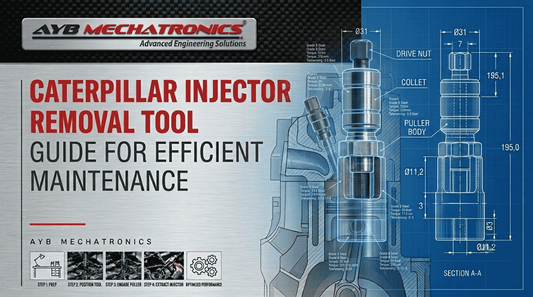
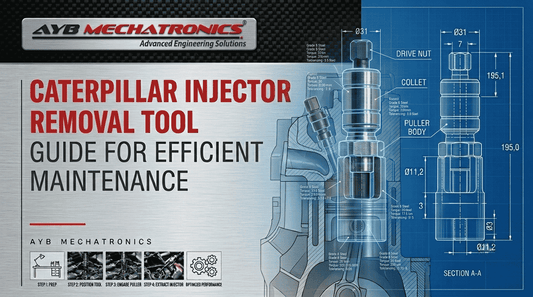
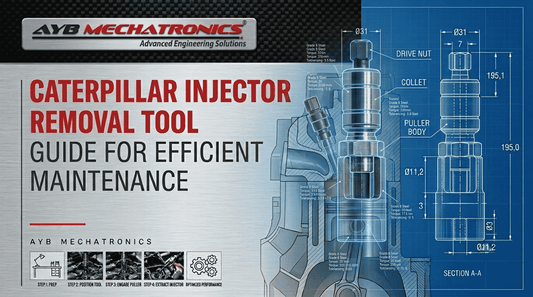
Caterpillar Injector Removal Tool
A dedicated caterpillar injector removal tool allows technicians to remove injectors safely without damaging surrounding components.
Removal Best Practices
Before removing injectors:
-
Disconnect electrical systems
-
Relieve fuel pressure
-
Clean surrounding areas
-
Follow service manual procedures
These steps help minimize contamination risks.
Installation Recommendations
When installing injectors:
-
Replace all seals and O-rings
-
Verify injector height
-
Apply correct torque values
-
Inspect electrical connections
Careful installation improves reliability and service life.
OEM vs Aftermarket C9 Caterpillar Injectors
Selecting the right replacement injector can significantly affect performance and operating costs.
OEM Injectors
Advantages
-
Factory specifications
-
Proven compatibility
-
Consistent quality
-
Manufacturer support
Disadvantages
-
Higher purchase cost
-
Potential supply limitations
Aftermarket Injectors
Advantages
-
Competitive pricing
-
Broad availability
-
Flexible sourcing options
Disadvantages
-
Quality varies among suppliers
-
Compatibility verification is required
At Ayb Mechatronics, injector recommendations are based on technical requirements, operational demands, and long-term reliability goals.
Common Maintenance Mistakes
Many injector-related failures are caused by avoidable maintenance errors.
Frequent Errors
-
Ignoring contaminated fuel
-
Delaying filter replacement
-
Reusing worn seals
-
Skipping injector calibration
-
Neglecting diagnostic codes
-
Using improper service tools
Avoiding these mistakes helps extend injector lifespan and improve engine reliability.
C9 Caterpillar Injector Maintenance Checklist
A preventive maintenance approach helps reduce unexpected failures.
Maintenance Checklist
-
Monitor fuel quality regularly
-
Replace fuel filters on schedule
-
Inspect injector wiring and connectors
-
Check for fuel leaks
-
Review fault codes periodically
-
Verify injector calibration
-
Schedule injector performance testing
-
Maintain detailed service records
Consistent maintenance reduces downtime and improves operational efficiency.
Technical Insights from Ayb Mechatronics
Why do some injector problems continue after replacement? In many cases, the root cause remains unresolved. Fuel contamination, electrical faults, or calibration errors may continue affecting new injectors.
How can operators improve injector reliability? Preventive maintenance and early diagnostics remain the most effective strategies.
What is the best way to detect developing injector problems? Routine inspections, fault code monitoring, and professional performance testing often reveal issues before they become severe.
At Ayb Mechatronics, we combine practical field experience, advanced diagnostic procedures, and technical expertise to help customers maximize injector lifespan and engine performance.
FAQ
What does a C9 Caterpillar injector do?
A C9 Caterpillar injector delivers fuel into the combustion chamber at precise timing and pressure levels to ensure efficient combustion and engine performance.
What are common symptoms of C9 injector failure?
Typical symptoms include hard starting, rough idle, excessive smoke, power loss, increased fuel consumption, and engine hesitation.
What causes a C9 Caterpillar injector to fail?
Fuel contamination, carbon buildup, electrical faults, internal wear, poor maintenance practices, and improper installation are common causes.
Why are Caterpillar injector codes important?
Injector codes help technicians identify injector-related faults quickly and improve diagnostic accuracy.
What is a Caterpillar injector adjustment tool?
A caterpillar injector adjustment tool is used to calibrate injector settings according to Caterpillar service specifications.
Why is injector height important?
Proper injector height affects fuel delivery timing, combustion efficiency, emissions, and overall engine performance.
Can a C9 Caterpillar injector be repaired?
Depending on the injector condition, professional cleaning, rebuilding, recalibration, or component replacement may be possible.
How often should C9 injectors be inspected?
Inspection frequency depends on operating conditions, but regular inspections during preventive maintenance intervals are highly recommended.
Tags:
Previous
Ayb Mechatronics C13 Caterpillar Injector Service and Repair Solutions
Next
Ayb Mechatronics C9 Caterpillar Injector Diagnostic Guide for Engines