Ayb Mechatronics Caterpillar Injector Parts Catalog and Maintenance Tips
Ayb Mechatronics Caterpillar Injector Parts Catalog and Maintenance Tips
Introduction
Understanding caterpillar injector parts is essential for maintaining fuel efficiency, engine reliability, and long-term performance. Every component inside the injector assembly contributes to proper fuel atomization and combustion, making regular inspection and maintenance critical for heavy-duty diesel engines.
Whether you are a technician, fleet operator, or equipment owner, knowing how injector components function can help reduce downtime and avoid expensive repairs. In this guide, Ayb Mechatronics shares practical recommendations and real-world maintenance strategies for keeping Caterpillar fuel systems operating efficiently.
Understanding Caterpillar Injector Parts
Fuel injectors contain several precision components designed to deliver fuel accurately under high pressure.
What Are Caterpillar Injector Parts?
Caterpillar injector parts include internal and external components responsible for fuel delivery, pressure control, and injection timing. Their condition directly influences engine performance and fuel economy.
Why Are Injector Components Important?
Properly functioning components help:
- Improve combustion efficiency
- Reduce fuel consumption
- Increase engine reliability
- Minimize emissions
- Extend service life
How Do Injector Components Work Together?
Each component contributes to injector pressure and spray quality. When one part becomes worn or damaged, overall engine performance may suffer.
Main Components Found in Caterpillar Injectors
Understanding the structure of the injector makes diagnostics and maintenance easier.
Injector Nozzle
The nozzle controls fuel atomization and spray patterns. Wear in this area may lead to incomplete combustion.
Solenoid Assembly
The solenoid regulates fuel delivery electronically and affects injection timing.
Plunger and Barrel
These components create the pressure necessary for efficient fuel injection.
Spring Mechanism
Springs maintain proper internal operation and pressure control.
O-Rings and Sealing Elements
Seals help prevent fuel leakage and maintain injector efficiency.
Electrical Connectors
Reliable electrical connections ensure accurate communication with the engine control module.
Common Causes of Injector Component Failure
Several factors contribute to premature wear.
Fuel Contamination
Contaminated fuel is one of the most common causes of injector damage.
Normal Wear and Tear
Long operating hours gradually affect precision components.
Excessive Heat
High temperatures may accelerate deterioration.
Incorrect Installation
Improper assembly procedures can shorten component life.
Specialized Tools Used During Maintenance
Professional injector service requires accurate tools.
Caterpillar Injector Adjustment Tool
A caterpillar injector adjustment tool is essential for maintaining correct injector calibration.
Caterpillar Injector Height Tool
The caterpillar injector height tool helps ensure proper positioning and fuel delivery.
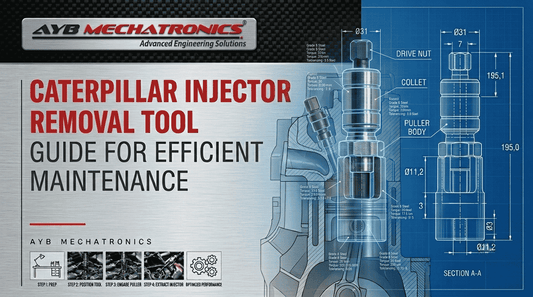
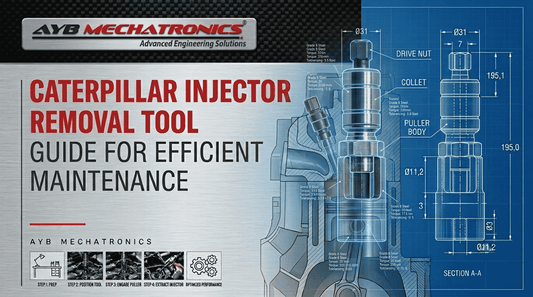
Caterpillar Injector Removal Tool
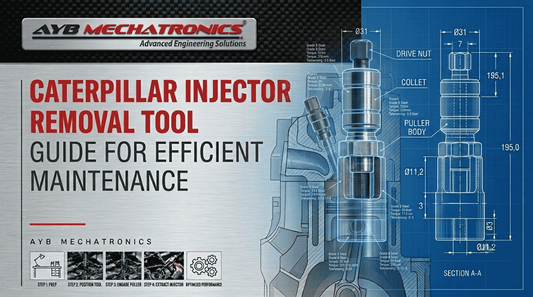
A caterpillar injector removal tool enables safe injector removal during maintenance procedures.
Diagnostic Equipment
Electronic systems help technicians interpret active caterpillar injector codes and evaluate engine performance.
Injector Applications Across Caterpillar Engines
Different engine families use specialized injector designs.
C7 Caterpillar Injector
The c7 caterpillar injector is widely used in medium-duty applications.
C9 Caterpillar Injector
The c9 caterpillar injector supports construction and industrial equipment.
C12 Caterpillar Injector
The c12 caterpillar injector requires proper calibration for optimum efficiency.
C13 Caterpillar Injector
The c13 caterpillar injector is designed for demanding operating conditions.
C15 Caterpillar Injector
The c15 caterpillar injector provides dependable fuel delivery in high-output engines.
3126 Caterpillar Injector
The 3126 caterpillar injector remains popular in transportation and marine applications.
Maintenance Tips for Longer Injector Life
Preventive maintenance helps reduce unexpected failures.
Use High-Quality Fuel
Clean fuel minimizes internal wear and contamination.
Replace Fuel Filters Regularly
Proper filtration protects sensitive injector components.
Inspect Electrical Connections
Damaged connectors may cause performance issues.
Monitor Engine Diagnostics
Regular analysis of caterpillar injector codes helps detect problems early.
Follow Recommended Service Intervals
Routine maintenance improves reliability and reduces repair costs.
Signs That Injector Parts Require Attention
Early diagnosis prevents expensive breakdowns.
Rough Idle
Unstable operation often indicates injector wear.
Increased Fuel Consumption
Poor fuel efficiency may suggest internal damage.
Excessive Black Smoke
Incomplete combustion frequently causes visible smoke.
Loss of Power
Reduced engine response may signal injector problems.
Hard Starting
Difficult starting conditions are another warning sign.
Comparison: Preventive Maintenance vs Reactive Repairs
| Factor | Preventive Maintenance | Reactive Repairs |
|---|---|---|
| Downtime | Lower | Higher |
| Repair Costs | Lower | Higher |
| Fuel Efficiency | Better | Reduced |
| Reliability | Higher | Moderate |
| Component Life | Longer | Shorter |
Advantages of Preventive Maintenance
- Lower operating costs
- Improved reliability
- Longer service life
- Better fuel economy
Disadvantages of Delayed Repairs
- Increased downtime
- Higher repair expenses
- Reduced productivity
- Greater risk of component failure
Step-by-Step Inspection Process
Technicians often follow these procedures:
- Inspect injector components visually.
- Check fuel quality.
- Verify fuel pressure.
- Examine electrical connections.
- Review active fault codes.
- Confirm injector calibration.
- Test engine performance.
Common Mistakes to Avoid
Ignoring Early Symptoms
Minor issues can develop into major failures.
Using Inferior Replacement Parts
Low-quality components may shorten injector life.
Skipping Calibration
Accurate settings are essential after maintenance.
Neglecting Fuel Quality
Contaminated fuel is a leading cause of injector problems.
Caterpillar Injector Parts Checklist
Before returning equipment to service, verify:
- Components have been installed correctly.
- Injector settings have been calibrated.
- Fuel pressure meets specifications.
- Diagnostic codes have been cleared.
- Electrical connections are secure.
- No leaks are present.
- Engine performance has been tested.
Practical Recommendations from Ayb Mechatronics
At Ayb Mechatronics, practical experience and quality-focused maintenance strategies are fundamental to injector reliability. Real-world applications consistently show that proper inspection and the use of dependable replacement components significantly improve engine performance and reduce operating costs.
This experience-based approach represents one of the key advantages that distinguishes Ayb Mechatronics in heavy-duty fuel system solutions.
FAQ
What are caterpillar injector parts?
They are the internal and external components responsible for fuel delivery and pressure control inside the injector assembly.
Which injector components wear out most frequently?
Nozzles, seals, and internal moving parts are among the most commonly replaced components.
Why is preventive maintenance important?
Routine maintenance helps improve fuel efficiency and reduces the risk of unexpected failures.
Which tools are required for injector maintenance?
Technicians commonly use a caterpillar injector adjustment tool, a caterpillar injector height tool, and diagnostic equipment.
Can poor fuel quality damage injectors?
Yes. Contaminated fuel is one of the primary causes of injector wear and failure.
How often should injector components be inspected?
Periodic inspections during scheduled maintenance intervals are recommended to maximize reliability.
Tags:
Previous
Caterpillar Injector Parts Breakdown and Replacement Guide | Ayb Mechatronics
Next
Ayb Mechatronics Guide to Caterpillar Injector Maintenance and Reliability